Easy Reusable Fabric Bowl Covers: Free Sewing Pattern
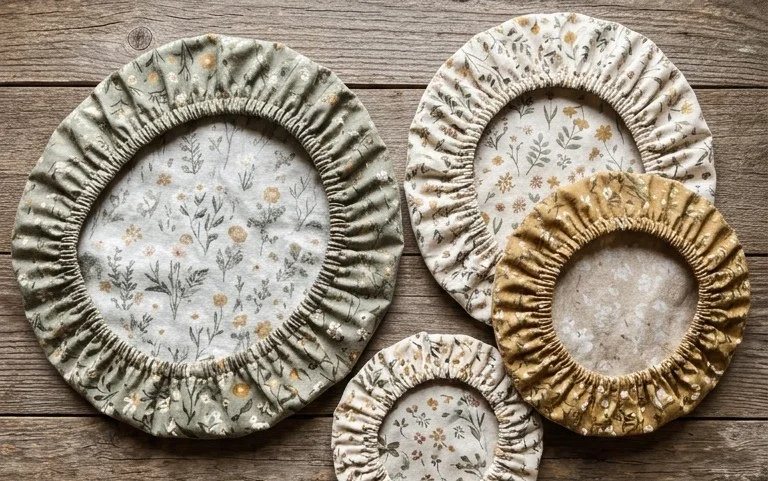
These fabric bowl covers replace clingy plastic wrap with a snug, washable layer that keeps leftovers fresh for days in the refrigerator. You will sew them using simple cotton scraps and elastic, which results in a practical kitchen staple that fits bowls of any diameter. This project suits anyone wanting to reduce household waste while updating their kitchen aesthetic with matching fabric patterns. It provides a satisfying afternoon task because you can finish a set in under an hour. You will learn how to measure, cut circles, and create a channel for the elastic binding.
Why You’ll Love This Pattern
This classic crochet dishcloth is designed using the linen stitch, also known as the moss stitch, which creates a dense yet flexible fabric that excels at scrubbing dishes. Because it uses simple chains and single crochet stitches, the process is rhythmic and meditative, making it ideal for relaxing after a long day. You only need one skein of cotton yarn to complete the project, and its rectangular shape provides excellent coverage for your hand while cleaning. The tight tension required for the linen stitch ensures the cloth remains sturdy even after dozens of cycles in the washing machine.
I managed to whip up a stack of these for my kitchen in just one weekend. They hold up much better than the store-bought sponges I used to buy.
— Sarah, home cook
Pattern Overview & Skill Level
- Skill Level: Beginner
- Approximate Time: 1 to 1.5 hours
- Construction: Flat panel worked back and forth in rows
- Finished Dimensions: 8 inches by 8 inches
Materials & Supplies Needed
- Yarn: Worsted weight (#4) 100% cotton yarn, approximately 60 yards. Solid colors are recommended to avoid color-bleed during hot water scrubbing.
- Hook Size: 5.0 mm (US H-8)
- Notions: Tapestry needle for weaving in ends, sharp scissors.
- Safe Yarn Substitutions: You can use a cotton-linen blend for increased durability, though this may make the fabric slightly stiffer. Avoid acrylic yarns as they do not absorb water effectively and will melt if they touch a hot pan.
Stitch Guide & Abbreviations (US Terms)
- ch = chain
- sc = single crochet
- st/sts = stitch/stitches
- sk = skip
- sp = space (refers to the gap created by a chain stitch)
- Linen Stitch: A pattern created by alternating single crochet stitches and chain stitches, working the single crochet into the chain-space of the previous row.
Step-by-Step Pattern Instructions
Main Dishcloth Body
The foundation of this dishcloth relies on an odd number of chains to ensure the edges remain straight.
- Foundation: Ch 31.
- Row 1: Sc in the 4th ch from the hook, *ch 1, sk 1 ch, sc in the next ch. Repeat from * across. Turn. (15 sc, 14 ch-1 spaces).
- Row 2: Ch 2, sc in the first ch-1 space, *ch 1, sk the next sc, sc in the next ch-1 space. Repeat from * across, ending with a sc in the turning chain space. Turn. (15 sc, 14 ch-1 spaces).
- Rows 3–30: Repeat Row 2 until the piece measures 8 inches long.
Finishing
Once you reach the desired length, fasten off your yarn, leaving a 6-inch tail. Thread the tail onto your tapestry needle and weave it back and forth through the base of the final row to secure it. Trim any excess yarn flush with the fabric surface to prevent fraying during use.
Care & Washing Instructions
- Machine wash on a warm, gentle cycle with like colors to prevent lint transfer.
- Tumble dry on low heat or lay flat on a drying rack to maintain the original square shape.
- Avoid using fabric softener, as it coats the cotton fibers and reduces the absorbency of the dishcloth.
Pro Tips & Common Mistakes to Avoid
Maintaining consistent tension is the most important part of this project. If your stitches are too loose, the fabric will lose its scrubbing ability; if they are too tight, you will struggle to insert your hook into the chain spaces. Always use a stitch marker at the start of your rows if you find yourself losing count of the stitches at the ends. To adjust the size, simply increase or decrease your starting chain by increments of two to maintain the correct stitch pattern. Weaving in your ends over at least three inches of fabric ensures they will not pull out when the cloth is scrubbed vigorously against plates or glassware.
Frequently Asked Questions
Can I use a larger hook size for this project?
Using a larger hook will result in a larger, drapier cloth. This is not recommended for dishcloths because a loose gauge will cause the cloth to lose its structural integrity and scrubbing power when wet.
Is this pattern suitable for someone who has never crocheted before?
Yes, this project is ideal for beginners. It focuses on the two most common crochet stitches and helps you practice maintaining even tension without the complexity of increasing or decreasing stitches.
Can I sell the dishcloths I make using this pattern?
You are welcome to sell finished items made from this pattern as long as you use your own photographs and credit the original pattern design. Do not distribute the written pattern itself.
How do I keep my edges from curling?
The linen stitch naturally creates a flat, non-curling fabric. If you notice the edges pulling in, you are likely pulling your yarn too tight at the end of each row. Relax your tension on the turning chains to keep the sides perfectly straight.
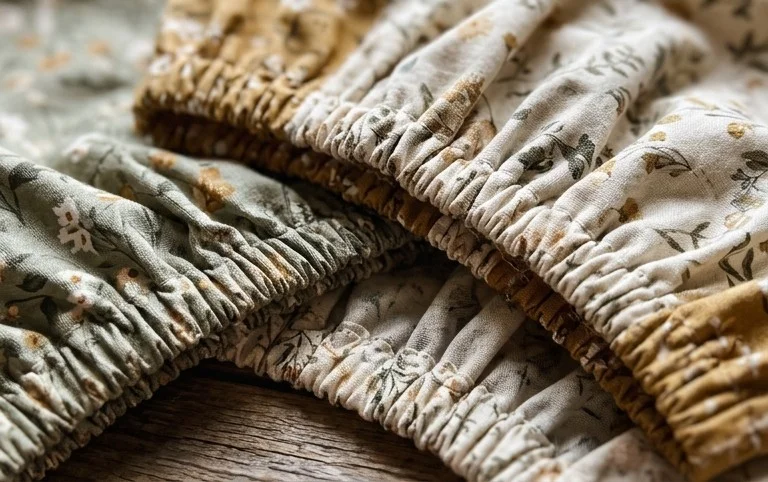
Your new set of bowl covers protects food in the fridge while keeping your pantry looking organized and clean. You can swap the standard cotton for a waterproof PUL fabric if you want to store items with higher moisture content like sliced melons or salads. Post a photo of your finished work on social media to show how these look on your favorite mixing bowls. Browse the rest of our blog archives for more functional sewing projects designed for your home and daily living needs.