10 Beautiful Textured Hats: Free Beginner Crochet Patterns
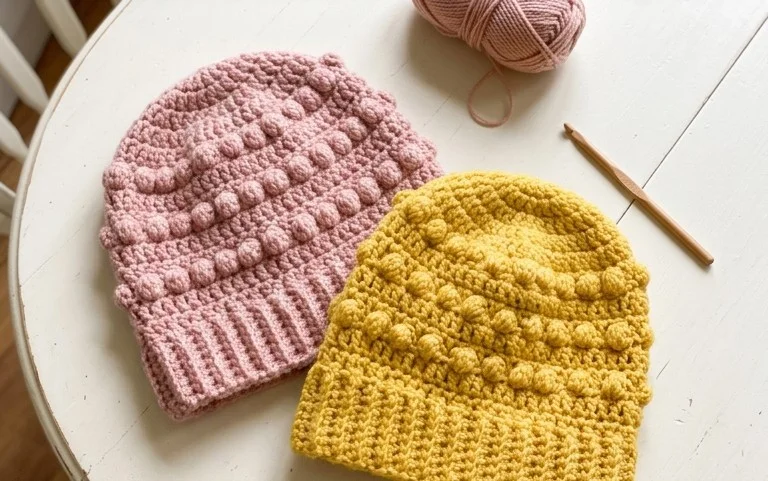
Dense, squishy fabric makes these headpieces hold their shape through long winters while providing natural insulation against the biting cold. Creating these accessories involves working with post stitches that provide a deep, cable-like relief on the surface of the wool. Beginners find this process satisfying because the repetitive nature of the construction turns yarn into a warm gift in just a few evenings of work. You will learn how to maintain even tension across varied stitch heights and how to secure a brim that stays snug against your forehead without losing its elasticity over time.
Why You’ll Love This Pattern
This classic crochet dishcloth is designed using the linen stitch, which creates a dense, woven-like fabric that is highly effective for scrubbing surfaces. Because it relies on a simple repeating pattern of chains and single crochets, it is an ideal project for practicing consistent tension without needing to track complex row changes. You can complete one cloth in about an hour, making it a reliable choice for using up leftover cotton yarn from larger projects. Its texture allows it to dry faster than solid-stitch cloths, preventing mildew and keeping your kitchen environment cleaner.
I managed to finish a set of four for my kitchen in one weekend. The pattern is incredibly relaxing and I found that my tension improved significantly by the time I finished the second cloth.
— Sarah, home crafter
Pattern Overview & Skill Level
- Skill Level: Beginner
- Approximate Time: 45–60 minutes per cloth
- Construction: Worked in flat, back-and-forth rows with a decorative border added at the end
- Finished Dimensions: 8 inches by 8 inches
Materials & Supplies Needed
- Yarn: Worsted weight (#4) 100% cotton yarn, approximately 60 yards per cloth. Cotton is essential for absorbency and heat resistance.
- Hook Size: 5.0 mm (US H-8) crochet hook.
- Notions: Yarn needle for weaving in ends and scissors.
- Yarn Substitutions: You may use a cotton-linen blend for added durability, though this may make the fabric slightly stiffer. Avoid acrylic yarns, as they are not absorbent and will melt if they touch a hot pan.
Stitch Guide & Abbreviations (US Terms)
- ch: chain
- sc: single crochet
- sk: skip
- st(s): stitch(es)
- Linen Stitch: Also known as the moss stitch, this involves working single crochet stitches into the chain spaces of the previous row.
Step-by-Step Pattern Instructions
Dishcloth Body
- Row 1: Ch 32. Sc in the 4th ch from hook. *Ch 1, sk 1 ch, sc in the next ch. Repeat from * across to the end. (15 sc, 15 ch-1 spaces)
- Row 2: Ch 2, turn. Sc in the first ch-1 space. *Ch 1, sk the sc, sc in the next ch-1 space. Repeat from * across, finishing with an sc in the turning chain space. (15 sc, 15 ch-1 spaces)
- Rows 3–30: Repeat Row 2 until the piece forms a square, or until your desired length is reached.
Border
Do not fasten off after Row 30. Rotate the piece to work along the side. Ch 1 and work 30 sc evenly spaced along the edge. In the corner, work (sc, ch 1, sc). Continue around the entire perimeter, working 30 sc along each side and (sc, ch 1, sc) into each corner. Join with a sl st to the first sc and fasten off.
Care & Washing Instructions
- Machine wash in warm water on a gentle cycle to maintain the shape of the cotton fibers.
- Lay the dishcloth flat on a clean towel to air dry, as tumble drying can cause significant shrinkage.
- Reshape the cloth by pulling on the edges while it is still damp to ensure it remains a perfect square.
Pro Tips & Common Mistakes to Avoid
Maintain consistent tension throughout the project by ensuring your chains are not pulled too tightly, which would otherwise cause the edges to curl. Use a stitch marker in the first chain space of every row to help you identify where to place your final stitch, preventing the common mistake of accidentally decreasing the row count. When weaving in your ends, run the yarn needle through the stitches at least three times in different directions to ensure the tail does not come loose during heavy scrubbing. You can adjust the size of the cloth by adding or subtracting chains in multiples of two, but keep in mind that a larger cloth will require more than the recommended 60 yards of yarn.
Frequently Asked Questions
Can I use a larger hook size for this pattern?
Using a larger hook will result in a more open, lacy texture. While this makes the cloth work up faster, it reduces the density needed for effective scrubbing, so a 5.0 mm hook is recommended for the best results.
Is this pattern appropriate for a total beginner?
Yes, this is an excellent choice for a first project. It teaches you how to maintain straight edges and introduces the concept of working into chain spaces, which is a fundamental skill for more advanced crochet patterns.
Can I sell the finished dishcloths I make?
You are welcome to sell finished items created from this pattern at small-scale craft fairs or online markets. Please credit the pattern design to our studio if you list them on platforms like Etsy.
Why is my dishcloth turning into a trapezoid shape?
This usually happens if you miss the final stitch of a row or add an extra one. Always count your stitches at the end of each row to ensure you have exactly 15 sc and 15 ch-1 spaces before you turn your work.
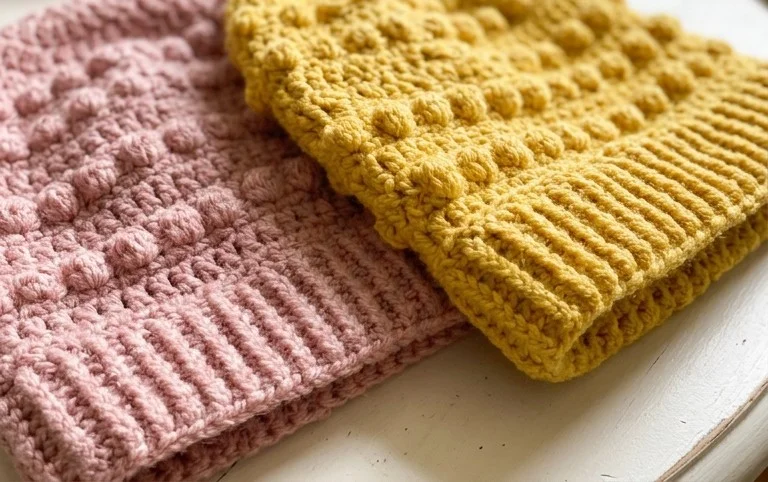
A finished hand-crocheted accessory offers a sense of accomplishment that store-bought items cannot replicate. You might consider working the next version in a variegated wool blend to see how the color shifts interact with the heavy texture. Posting a photo of your completed work helps other makers see how these stitches appear in different lighting or yarn types. Please visit the archives on our blog to discover more free projects designed to build your skills and fill your wardrobe with handmade items.